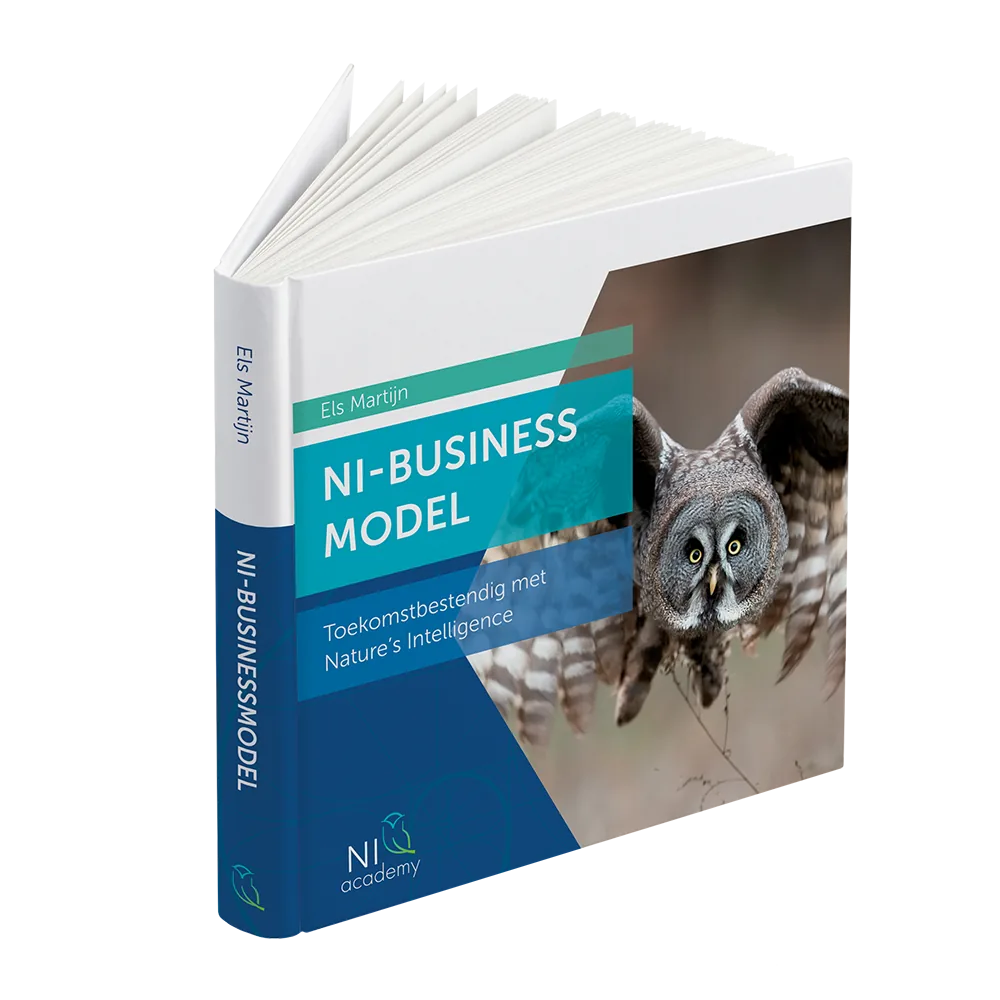
Nature has been solving complex problems for millions of years. The NI Business Model™ translates that way of working to organisations: circular, collaborative and adaptable. Not a set of separate sustainability measures, but a way of organising in which waste is a raw material, diversity creates resilience, and adapting is the rule rather than the exception.
NI-Businessmodel™
The most future-proof strategies originate in nature.
The earth as one system
James Lovelock's Gaia hypothesis describes the earth and its biological systems as a single self-regulating organism: living and non-living parts together maintain a stable balance. That view - looking at the whole rather than at separate parts - is the starting point of this book. Look at an organisation the same way and you see at once where waste, fragility and missed collaboration sit.
The NI Business Model™ in pictures
What the model rests on
Nature has worked for billions of years without waste and without depletion. Three of its principles form the foundation of the model.
- 01
Symbiotic relationships
Working with other organisations, communities and stakeholders in a way that pays off for everyone involved - as symbiosis in nature benefits all parties.
- 02
Circular economy
In nature there is no waste. Every residual stream returns to the chain, and products are designed so that they become raw material again after use.
- 03
Resilient operations
Diversity in products, services and markets makes an organisation robust, and adapting quickly to changing circumstances keeps it standing - just as an ecosystem recovers from disturbance.
Four pillars, one whole
The NI Business Model™ stands on four pillars that act on each other: collaboration without systems thinking stays loose sand, and sustainable conduct without adaptability does not last.
How you recognise it
Four things that mark an organisation working by Nature’s Intelligence.
-
Sustainable innovation
Biomimicry as a source for product development, and renewable energy to shrink the footprint.
-
Efficient use of resources
Minimising waste, optimising processes and using saving techniques such as 3D printing and greywater systems.
-
Bringing technology and nature together
Sensors and data analysis for efficiency, and green roofs, vertical gardens and urban farming for the surroundings.
-
Diversity and inclusion
A diverse team leads to creativity, innovation and better solutions; an inclusive culture actually puts those talents to use.
The NI Business Model™ Canvas
The model comes with a canvas of nine blocks. Together they hold your organisation against the principles of nature: from the purpose you stand for to the impact you make.
- Click a box
- Type your answer
- Download as PDF
Click a block to fill in the canvas for your own organisation. Your answers stay in this browser. Long answers appear in full on an extra page of the PDF.

Purpose & Connectedness
What does the organisation stand for, and who is it connected to? The canvas starts with intent: without a shared purpose the rest falls apart.
Prefer to apply the canvas with expert guidance? We facilitate sessions for boards and teams.
Downloaded 1 times
Eleven chapters
From the natural ecosystem to the future-proof organisation: this is how the book is built up.
 1 The Natural Ecosystem What a natural ecosystem is: living organisms and their surroundings exchanging energy and matter, and staying in balance together.
 2 The Business Ecosystem Organisations, suppliers, customers and partners as one network that creates and shares value together, just as in nature.
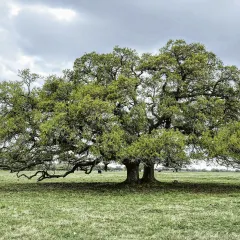 3 Characteristics of an Ecosystem The striking similarities between natural and business ecosystems: interdependence, balance and resilience.
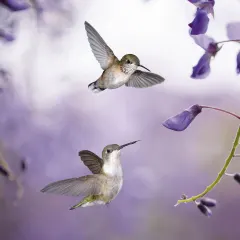 4 Nature as a Source of Inspiration Biophilia and biomimicry: how nature inspires healthier workplaces and sustainable, efficient solutions.
 5 The NI Business Model™ The model itself: circularity, diversity and collaboration from nature, translated into a sustainable business model.
 6 Holistic Systems Thinking Pillar Seeing every part as connected to the whole, and steering on the interplay rather than on separate parts.
 7 Strategic Collaboration Pillar Collaborating the way species do in nature, for growth, innovation and a network that withstands shocks.
 8 Sustainable Conduct Pillar Doing business with an eye for people and planet: preserving resources, limiting waste and making a positive impact.
 9 Adaptive Working Pillar Staying agile by constantly adapting and renewing, the way organisms evolve with their surroundings.
 10 NI versus the Traditional Business Model Circular and long-term against linear and short-term profit: where the two models differ.
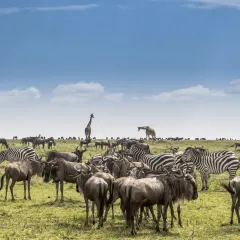 11 A Future-Proof Organisation What an organisation built on the NI Business Model™ looks like: flexible, self-organising and sustainable down to its buildings.

Book & model
NI-Businessmodel™
Future-proof with Nature's Intelligence
Els Martijn · Firm of the Future · 2024 · ISBN 9789083241821
The book sets out the model, the principles and a checklist per pillar. We guide organisations in applying it in practice.
Shipping within the Netherlands; free from € 100. Digital editions arrive right after payment.