

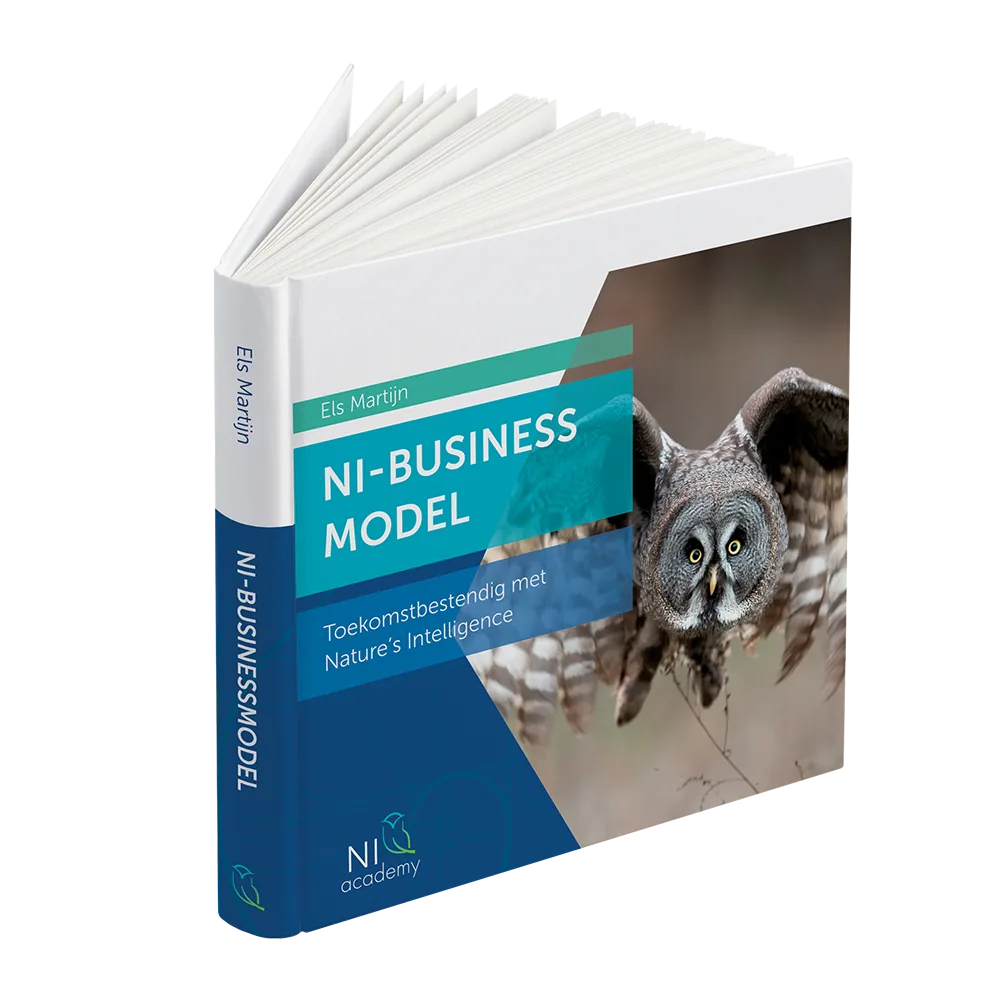
Nature has been solving complex problems for millions of years. The NI Business Model translates that way of working to organisations: circular, collaborative and adaptable. Not a set of separate sustainability measures, but a way of organising in which waste is a raw material, diversity creates resilience, and adapting is the rule rather than the exception.
NI-Businessmodel
The earth as one system
James Lovelock's Gaia hypothesis describes the earth and its biological systems as a single self-regulating organism: living and non-living parts together maintain a stable balance. That view - looking at the whole rather than at separate parts - is the starting point of this book. Look at an organisation the same way and you see at once where waste, fragility and missed collaboration sit.
What the model rests on
Nature has worked for billions of years without waste and without depletion. Three of its principles form the foundation of the model.
- 01
Symbiotic relationships
Working with other organisations, communities and stakeholders in a way that pays off for everyone involved - as symbiosis in nature benefits all parties.
- 02
Circular economy
In nature there is no waste. Every residual stream returns to the chain, and products are designed so that they become raw material again after use.
- 03
Resilient operations
Diversity in products, services and markets makes an organisation robust, and adapting quickly to changing circumstances keeps it standing - just as an ecosystem recovers from disturbance.
Four pillars, one whole
The NI Business Model stands on four pillars that act on each other: collaboration without systems thinking stays loose sand, and sustainable conduct without adaptability does not last.
How you recognise it
Four things that mark an organisation working by Nature’s Intelligence.
-
Sustainable innovation
Biomimicry as a source for product development, and renewable energy to shrink the footprint.
-
Efficient use of resources
Minimising waste, optimising processes and using saving techniques such as 3D printing and greywater systems.
-
Bringing technology and nature together
Sensors and data analysis for efficiency, and green roofs, vertical gardens and urban farming for the surroundings.
-
Diversity and inclusion
A diverse team leads to creativity, innovation and better solutions; an inclusive culture actually puts those talents to use.
The NI Business Model Canvas
The model comes with a canvas of nine blocks. Together they hold your organisation against the principles of nature: from the purpose you stand for to the impact you make.
- 1
Purpose & Connectedness
What does the organisation stand for, and who is it connected to? The canvas starts with intent: without a shared purpose the rest falls apart.
- 2
Natural Principles
Which ways of working from nature suit this organisation? Symbiosis, cycles and adaptability, translated into its own practice.
- 3
Long-term Value
What does the organisation yield over ten or twenty years - not only in money, but in knowledge, relationships and surroundings.
- 4
ESG Value Creation
Where does the model touch environment, people and governance, and how is that value made visible and accounted for.
- 5
Ecosystem
Who surrounds the organisation: partners, suppliers, customers and communities, and what flows back and forth between them.
- 6
Feedback & Adaptability
How does the organisation notice that something is changing, and how quickly does it adapt? In nature, feedback is the steering mechanism.
- 7
Input Streams
What goes into the organisation: raw materials, energy, knowledge and people - and where they come from.
- 8
Processes & Organisation
How the work is arranged, and whether that arrangement supports the principles or works against them.
- 9
Output & Impact
What comes out: products, services and residual streams, and what effect that has on the surroundings.
Rather work through the canvas together? We facilitate sessions for boards and teams.
Schedule an introductionEleven chapters
From the natural ecosystem to the future-proof organisation: this is how the book is built up.
 1 The Natural Ecosystem What a natural ecosystem is: living organisms and their surroundings exchanging energy and matter, and staying in balance together.
 2 The Business Ecosystem Organisations, suppliers, customers and partners as one network that creates and shares value together, just as in nature.
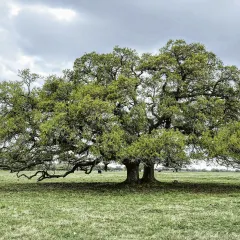 3 Characteristics of an Ecosystem The striking similarities between natural and business ecosystems: interdependence, balance and resilience.
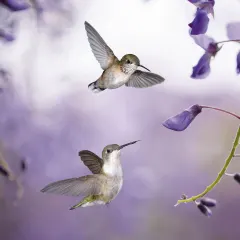 4 Nature as a Source of Inspiration Biophilia and biomimicry: how nature inspires healthier workplaces and sustainable, efficient solutions.
 5 The NI Business Model The model itself: circularity, diversity and collaboration from nature, translated into a sustainable business model.
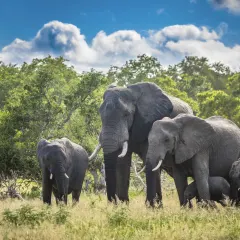 6 Holistic Systems Thinking Pillar Seeing every part as connected to the whole, and steering on the interplay rather than on separate parts.
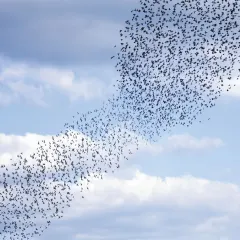 7 Strategic Collaboration Pillar Collaborating the way species do in nature, for growth, innovation and a network that withstands shocks.
 8 Sustainable Conduct Pillar Doing business with an eye for people and planet: preserving resources, limiting waste and making a positive impact.
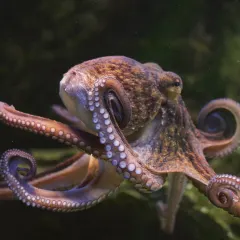 9 Adaptive Working Pillar Staying agile by constantly adapting and renewing, the way organisms evolve with their surroundings.
 10 NI versus the Traditional Business Model Circular and long-term against linear and short-term profit: where the two models differ.
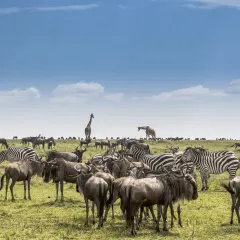 11 A Future-Proof Organisation What an organisation built on the NI Business Model looks like: flexible, self-organising and sustainable down to its buildings.
Book & model
NI-Businessmodel - Future-proof with Nature's Intelligence
Els Martijn · Firm of the Future · 2024 · ISBN 9789083241821
The book sets out the model, the principles and a checklist per pillar. We help organisations put it into practice.
Shipping within the Netherlands; free from € 50. Digital editions arrive right after payment.
