
CSRD reporting: from sustainability data to clear accountability
Transparency is more than reporting. It is a foundation for trust and steering.
Does your organisation have to report under the CSRD, or do you want to be ready in good time?
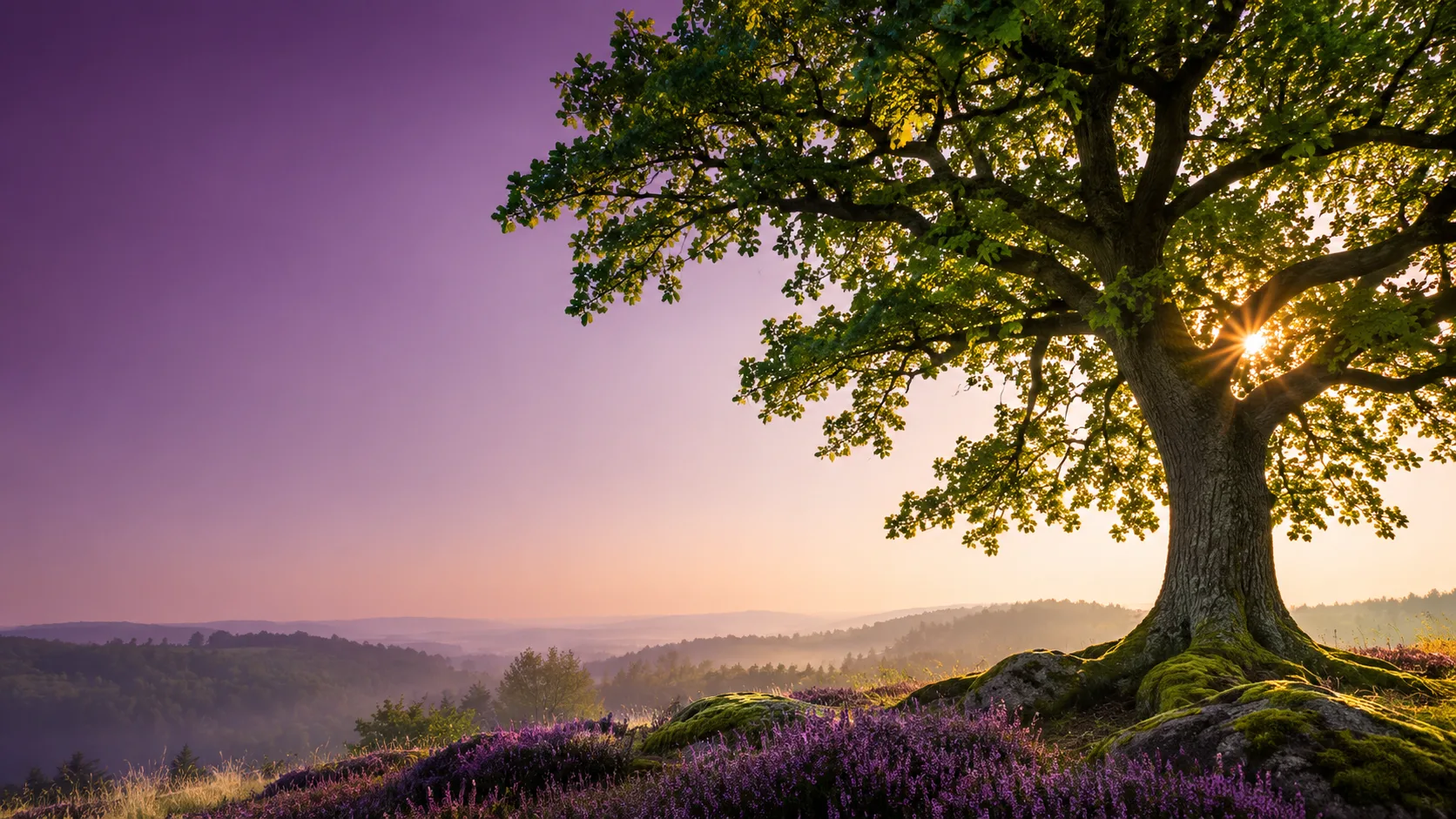
The veins of a leaf carry water and nutrients exactly where they are needed. Good reporting works the same way: a clear structure that brings the right information to the right place.
With the Corporate Sustainability Reporting Directive (CSRD), transparency becomes the norm. The directive requires organisations within its scope to report relevant sustainability information in a structured, substantiated way, following the European Sustainability Reporting Standards (ESRS).
Which themes are relevant is determined through a double materiality analysis: what impact does the organisation have on people and the environment, and which sustainability issues have a financial impact on the organisation?
Compliance is the starting point, not the destination. We determine the relevant themes, map the required data and ensure clear substantiation and documentation. Sustainability accountability becomes manageable and well substantiated.
Discuss your reportingWhat you can expect
Who is it for?
- Organisations within the scope of the CSRD, or that may fall under it
- Organisations that want to prepare voluntarily
- Value chain partners of reporting organisations
What do you receive?
- A double materiality analysis with substantiation
- An overview of the required data points and who provides them
- A verifiable file and support with the report
Which data is needed?
- Energy, emissions, raw materials and waste
- Workforce data, such as absenteeism and training
- Policies, governance and existing reporting
How we work
- First, we establish whether and when the CSRD applies to your organisation
- We work with a fixed contact person and your data owners
- We take into account what your auditor needs for assurance
From materiality to reporting
- Double materiality We determine which themes genuinely matter to your organisation.
- ESG data and footprint We map the required data, including the carbon footprint.
- KPIs and substantiation We record targets and choices in a clear, verifiable file.
- Sustainability report We guide the preparation of the report in line with the ESRS.
CSRD or ESG advice?
Two terms that are often confused. This is how they relate to each other.
| CSRD | ESG advice | |
|---|---|---|
| What is it? | A European directive for sustainability reporting | Advice on your approach to environment, people and governance |
| For whom? | Organisations within the scope of the directive | Any organisation that wants to address ESG themes |
| Mandatory? | Yes, for organisations within scope | No |
| Based on? | The ESRS, starting from double materiality | Your own goals, with the ESRS as a framework where useful |
| Assurance | External assurance of the report | Not applicable |
Swipe the table sideways to compare both.
The scope and timing of the CSRD have recently been amended. In a strategic conversation, we establish what applies to your organisation.
Standards
- CSRD The European directive that sets who reports and when. eur-lex.europa.eu (opens in a new tab)
- ESRS The standards that set what you report, starting from double materiality. efrag.org (opens in a new tab)
- GHG Protocol The basis for the climate figures in scopes 1, 2 and 3. ghgprotocol.org (opens in a new tab)
What is the CSRD?
The Corporate Sustainability Reporting Directive is the European directive on sustainability reporting. Organisations within its scope report according to the European Sustainability Reporting Standards (ESRS).
What is a double materiality analysis?
An analysis from two perspectives: what impact does the organisation have on people and the environment, and which sustainability issues have a financial impact on the organisation? Together, they determine which themes belong in the report.
Does the CSRD apply to my organisation?
That depends on your organisation and on the current European rules, which have been in flux recently. In a strategic conversation, we establish this for you.
Ready for the next step?
Tell us where your organisation stands. In a strategic conversation, we determine which approach creates the most value.
All our expertise
From strategy to realisation: we advise, measure, implement and guide execution.

%20--%3e%3csvg%20version='1.1'%20xmlns='http://www.w3.org/2000/svg'%20xmlns:xlink='http://www.w3.org/1999/xlink'%20x='0px'%20y='0px'%20viewBox='0%200%20368.5%20368.5'%20style='enable-background:new%200%200%20368.5%20368.5;'%20xml:space='preserve'%3e%3cstyle%20type='text/css'%3e%20.st0{fill:none;stroke:%23ffffff;stroke-width:12;stroke-linecap:round;stroke-linejoin:round;}%20.st1{fill:none;stroke:%23ffffff;stroke-width:12;}%20.st2{fill:%23ffffff;}%20.st3{fill:none;stroke:%23ffffff;stroke-width:5.5;stroke-linecap:round;stroke-linejoin:round;stroke-miterlimit:10;}%20.st4{fill:none;stroke:%23ffffff;stroke-width:5.53;stroke-linecap:round;stroke-linejoin:round;stroke-miterlimit:10;}%20.st5{fill:none;stroke:%23ffffff;stroke-width:5.5;stroke-linecap:round;stroke-linejoin:round;stroke-miterlimit:10;}%20.st6{fill:%23ffffff;}%20.st7{fill:none;stroke:%23ffffff;stroke-width:5.55;stroke-linecap:round;stroke-linejoin:round;stroke-miterlimit:10;}%20.st8{fill:none;stroke:%23ffffff;stroke-width:5.5;stroke-linecap:round;stroke-linejoin:round;stroke-miterlimit:10;}%20.st9{fill:none;stroke:%23ffffff;stroke-width:5.5;stroke-linecap:round;stroke-linejoin:round;}%20.st10{fill:none;stroke:%23ffffff;stroke-width:4.5;stroke-linecap:round;stroke-linejoin:round;}%20.st11{fill:none;stroke:%23ffffff;stroke-width:4.5;stroke-linecap:round;stroke-linejoin:round;stroke-miterlimit:10;}%20.st12{fill:none;stroke:%23ffffff;stroke-width:5.5;stroke-miterlimit:10;}%20.st13{fill:none;stroke:%23ffffff;stroke-width:4.7118;stroke-miterlimit:10;}%20%3c/style%3e%3cg%20id='kader'%3e%3cg%3e%3cpolygon%20class='st0'%20points='267.16,42.52%20101.34,42.52%2018.43,184.25%20101.34,325.98%20267.16,325.98%20350.08,184.25%20'/%3e%3c/g%3e%3c/g%3e%3cg%20id='Laag_1'%3e%3cg%3e%3cpath%20class='st2'%20d='M184.25,282.09c-20,0-38.78-7.81-52.88-22c-14.1-14.19-21.8-33.01-21.68-53.01l0.73-83.94%20c0.01-1.51,1.24-3.73,2.75-3.73c0.01,0,0.01,0,0.02,0c1.52,0.01,2.74,2.25,2.73,3.77l-0.73,83.94%20c-0.11,18.52,7.02,35.96,20.08,49.1s30.46,20.37,48.98,20.37c38.08,0,69.07-30.98,69.07-69.07v-68.6c0-1.52,1.23-2.75,2.75-2.75%20s2.75,1.23,2.75,2.75v68.6C258.82,248.65,225.37,282.09,184.25,282.09z'/%3e%3cg%3e%3cpath%20class='st2'%20d='M276.55,159.02L276.55,159.02c-1.11,1.04-2.86,0.97-3.89-0.14l-16.58-17.85l-16.59,17.85%20c-1.04,1.11-2.78,1.18-3.89,0.14v0c-1.11-1.04-1.17-2.78-0.14-3.89l20.62-22.18l20.62,22.18%20C277.72,156.25,277.66,157.99,276.55,159.02z'/%3e%3c/g%3e%3c/g%3e%3cg%3e%3cpath%20class='st3'%20d='M265.5,102.69c0,0-4.19-11.82-17.32-16.22c-11.14-3.74-20.61-2.64-31.37,6.31%20c-4.81,4.01-12.34,10.9-17.81,20.99'/%3e%3cpath%20class='st3'%20d='M232.64,95.12c0,0,1.44,4.83,0.34,11.94c-2.14,13.84-13.99,23.98-27.97,24.97%20c-7.07,0.5-16.66,2.67-19.74,10.45c0,0-17.28-33.97,14.38-59.85c4.89-3.99,10.97-6.45,17.24-5.73c2.74,0.32,5.63,1.2,8.31,3.06'/%3e%3c/g%3e%3ccircle%20class='st8'%20cx='112.44'%20cy='209.43'%20r='17.72'/%3e%3ccircle%20class='st8'%20cx='184.25'%20cy='276'%20r='17.72'/%3e%3ccircle%20class='st8'%20cx='256.06'%20cy='209.43'%20r='17.72'/%3e%3crect%20x='107.46'%20y='111.06'%20transform='matrix(6.123234e-17%20-1%201%206.123234e-17%20-11.2492%20238.8456)'%20class='st6'%20width='12.68'%20height='27.97'/%3e%3c/g%3e%3c/svg%3e) Sustainable strategy & transformation Sustainable Business Transformations

%20--%3e%3csvg%20version='1.1'%20xmlns='http://www.w3.org/2000/svg'%20xmlns:xlink='http://www.w3.org/1999/xlink'%20x='0px'%20y='0px'%20viewBox='0%200%20368.5%20368.5'%20style='enable-background:new%200%200%20368.5%20368.5;'%20xml:space='preserve'%3e%3cstyle%20type='text/css'%3e%20.st0{fill:none;stroke:%23ffffff;stroke-width:12;stroke-linecap:round;stroke-linejoin:round;}%20.st1{fill:none;stroke:%23ffffff;stroke-width:12;}%20.st2{fill:%23ffffff;}%20.st3{fill:none;stroke:%23ffffff;stroke-width:5.5;stroke-linecap:round;stroke-linejoin:round;stroke-miterlimit:10;}%20.st4{fill:none;stroke:%23ffffff;stroke-width:5.53;stroke-linecap:round;stroke-linejoin:round;stroke-miterlimit:10;}%20.st5{fill:none;stroke:%23ffffff;stroke-width:5.5;stroke-linecap:round;stroke-linejoin:round;stroke-miterlimit:10;}%20.st6{fill:%23ffffff;}%20.st7{fill:none;stroke:%23ffffff;stroke-width:5.55;stroke-linecap:round;stroke-linejoin:round;stroke-miterlimit:10;}%20.st8{fill:none;stroke:%23ffffff;stroke-width:5.5;stroke-linecap:round;stroke-linejoin:round;stroke-miterlimit:10;}%20.st9{fill:none;stroke:%23ffffff;stroke-width:5.5;stroke-linecap:round;stroke-linejoin:round;}%20.st10{fill:none;stroke:%23ffffff;stroke-width:4.5;stroke-linecap:round;stroke-linejoin:round;}%20.st11{fill:none;stroke:%23ffffff;stroke-width:4.5;stroke-linecap:round;stroke-linejoin:round;stroke-miterlimit:10;}%20.st12{fill:none;stroke:%23ffffff;stroke-width:5.5;stroke-miterlimit:10;}%20.st13{fill:none;stroke:%23ffffff;stroke-width:4.7118;stroke-miterlimit:10;}%20%3c/style%3e%3cg%20id='kader'%3e%3cg%3e%3cpolygon%20class='st0'%20points='267.16,42.52%20101.34,42.52%2018.43,184.25%20101.34,325.98%20267.16,325.98%20350.08,184.25%20'/%3e%3c/g%3e%3c/g%3e%3cg%20id='Laag_1'%3e%3cg%3e%3cpath%20class='st3'%20d='M260.34,265H152.51c-8.72,0-15.79-7.07-15.79-15.79l0,0c0-8.72,7.07-15.79,15.79-15.79h107.82%20c8.72,0,15.79,7.07,15.79,15.79l0,0C276.12,257.93,269.06,265,260.34,265z'/%3e%3cpath%20class='st3'%20d='M156.32,254.47c-2.9,0-5.25-2.35-5.25-5.25c0-2.9,2.35-5.25,5.25-5.25'/%3e%3cpath%20class='st3'%20d='M257.66,243.96c2.9,0,5.25,2.35,5.25,5.25c0,2.9-2.35,5.25-5.25,5.25'/%3e%3cpath%20class='st3'%20d='M231.04,233.43h-82.65l-1.47-27.14l14.99-37.74h47.62c3.25,0,5.89,2.64,5.89,5.89v22.03'/%3e%3cpath%20class='st3'%20d='M215.42,186.31h41.03c8.06,0,13.28,3.43,13.28,14.46v32.66h-38.7'/%3e%3cline%20class='st3'%20x1='129.73'%20y1='121.66'%20x2='93.31'%20y2='183.44'/%3e%3cpolyline%20class='st3'%20points='121.49,113.19%20161.1,132.13%20177.41,166.21%20'/%3e%3cpolyline%20class='st3'%20points='205.25,166.21%20176.84,116.25%20136.71,98.64%20'/%3e%3cline%20class='st3'%20x1='78.32'%20y1='174.92'%20x2='117.65'%20y2='104.57'/%3e%3cpath%20class='st3'%20d='M93.2,187.11l9.4,17.39l27.19,13.63c0,0-4.67,3.05-20.56,6.04c-15.89,2.99-23.15,3.94-30.9-3.38%20c-12.02-11.36-6.76-26.67,1.02-35.37'/%3e%3cpolyline%20class='st3'%20points='171.52,178.63%20162.26,203.53%20196.41,203.53%20'/%3e%3cpath%20class='st3'%20d='M76.92,179.62c0,4.77,3.87,8.64,8.64,8.64c4.77,0,8.64-3.87,8.64-8.64c0-4.77-3.87-8.64-8.64-8.64%20C80.79,170.99,76.92,174.86,76.92,179.62z'/%3e%3cpath%20class='st3'%20d='M117.65,105.02c0,5.85,4.75,10.6,10.6,10.6c5.85,0,10.6-4.75,10.6-10.6s-4.75-10.6-10.6-10.6%20C122.4,94.43,117.65,99.17,117.65,105.02z'/%3e%3c/g%3e%3cg%3e%3cpath%20class='st4'%20d='M245.98,186.02c0,0,12.28-2.53,18.44-14.94c5.23-10.53,5.44-20.05-1.96-31.94%20c-3.31-5.32-9.11-13.72-18.36-20.51'/%3e%3cpath%20class='st4'%20d='M257.97,154.5c0,0-4.98,0.77-11.88-1.3c-13.42-4.01-21.84-17.14-20.91-31.12c0.47-7.07-0.37-16.87-7.66-20.98%20c0,0,36.01-12.47,57.32,22.43c3.29,5.39,4.89,11.75,3.32,17.86c-0.69,2.67-1.96,5.41-4.16,7.81'/%3e%3c/g%3e%3c/g%3e%3c/svg%3e) Sustainable construction & infrastructure Sustainable Construction & Infrastructure

 Carbon footprint calculation Footprint as a Service

%20--%3e%3csvg%20version='1.1'%20xmlns='http://www.w3.org/2000/svg'%20xmlns:xlink='http://www.w3.org/1999/xlink'%20x='0px'%20y='0px'%20viewBox='0%200%20368.5%20368.5'%20style='enable-background:new%200%200%20368.5%20368.5;'%20xml:space='preserve'%3e%3cstyle%20type='text/css'%3e%20.st0{fill:none;stroke:%23ffffff;stroke-width:12;stroke-linecap:round;stroke-linejoin:round;}%20.st1{fill:none;stroke:%23ffffff;stroke-width:12;}%20.st2{fill:%23ffffff;}%20.st3{fill:none;stroke:%23ffffff;stroke-width:5.5;stroke-linecap:round;stroke-linejoin:round;stroke-miterlimit:10;}%20.st4{fill:none;stroke:%23ffffff;stroke-width:5.53;stroke-linecap:round;stroke-linejoin:round;stroke-miterlimit:10;}%20.st5{fill:none;stroke:%23ffffff;stroke-width:5.5;stroke-linecap:round;stroke-linejoin:round;stroke-miterlimit:10;}%20.st6{fill:%23ffffff;}%20.st7{fill:none;stroke:%23ffffff;stroke-width:5.55;stroke-linecap:round;stroke-linejoin:round;stroke-miterlimit:10;}%20.st8{fill:none;stroke:%23ffffff;stroke-width:5.5;stroke-linecap:round;stroke-linejoin:round;stroke-miterlimit:10;}%20.st9{fill:none;stroke:%23ffffff;stroke-width:5.5;stroke-linecap:round;stroke-linejoin:round;}%20.st10{fill:none;stroke:%23ffffff;stroke-width:4.5;stroke-linecap:round;stroke-linejoin:round;}%20.st11{fill:none;stroke:%23ffffff;stroke-width:4.5;stroke-linecap:round;stroke-linejoin:round;stroke-miterlimit:10;}%20.st12{fill:none;stroke:%23ffffff;stroke-width:5.5;stroke-miterlimit:10;}%20.st13{fill:none;stroke:%23ffffff;stroke-width:4.7118;stroke-miterlimit:10;}%20%3c/style%3e%3cg%20id='kader'%3e%3cg%3e%3cpolygon%20class='st1'%20points='267.16,42.52%20101.34,42.52%2018.43,184.25%20101.34,325.98%20267.16,325.98%20350.08,184.25%20'/%3e%3c/g%3e%3c/g%3e%3cg%20id='Laag_1'%3e%3cg%3e%3cpath%20class='st7'%20d='M223.82,262.5c0,0,11.41,5.2,23.7-1.18c10.43-5.41,16.22-12.98,17.26-26.94c0.46-6.25,0.74-16.45-2.71-27.39'%20/%3e%3cpath%20class='st7'%20d='M252.1,244.14c0,0-4.47-2.32-8.82-8.06c-8.47-11.16-7.51-26.72,1.49-37.46c4.55-5.43,9.66-13.84,6.2-21.45%20c0,0,36.43,11.19,33.04,51.94c-0.52,6.29-2.98,12.37-7.86,16.38c-2.13,1.75-4.77,3.21-7.97,3.85'/%3e%3c/g%3e%3cpath%20class='st12'%20d='M129.55,268.86c-23.36-12.95-40.02-35.16-44.06-61.14'/%3e%3cpath%20class='st13'%20d='M195.4,91.19c-10.32-4.73-21.37-6.51-32.42-4.62c-11.06,1.88-20.89,7.21-29.06,15.1'/%3e%3cg%3e%3cpath%20class='st12'%20d='M231.18,118.22c-13.89,0-30.86,9.31-30.86,15.68v15.19c10.54,7.1,19.79,8.82,30.86,8.82%20c11.07,0,20.32-1.72,30.86-8.82V133.9C262.05,127.53,245.07,118.22,231.18,118.22z'/%3e%3cpath%20class='st12'%20d='M231.18,74.13c-9.12,0-17.64,7.11-17.64,15.88v12.34c0,8.77,8.52,15.88,17.64,15.88%20c9.12,0,17.64-7.11,17.64-15.88V90.01C248.82,81.24,240.3,74.13,231.18,74.13z'/%3e%3c/g%3e%3cg%3e%3cpath%20class='st12'%20d='M179.05,255.81c-13.89,0-30.86,9.31-30.86,15.68v15.19c8.82,7.1,19.79,8.82,30.86,8.82%20c11.07,0,22.05-1.72,30.86-8.82v-15.19C209.91,265.12,192.93,255.81,179.05,255.81z'/%3e%3cpath%20class='st12'%20d='M179.05,211.72c-9.12,0-17.64,7.11-17.64,15.88v12.34c0,8.77,8.52,15.88,17.64,15.88%20c9.12,0,17.64-7.11,17.64-15.88V227.6C196.68,218.83,188.16,211.72,179.05,211.72z'/%3e%3c/g%3e%3cg%3e%3cpath%20class='st12'%20d='M104.91,154.22c-13.89,0-30.86,9.31-30.86,15.68v15.19c10.54,7.1,19.79,8.82,30.86,8.82%20c11.07,0,20.32-1.72,30.86-8.82V169.9C135.77,163.53,118.8,154.22,104.91,154.22z'/%3e%3cpath%20class='st12'%20d='M104.91,110.13c-9.12,0-17.64,7.11-17.64,15.88v12.34c0,8.77,8.52,15.88,17.64,15.88%20c9.12,0,17.64-7.11,17.64-15.88v-12.34C122.55,117.24,114.03,110.13,104.91,110.13z'/%3e%3c/g%3e%3c/g%3e%3c/svg%3e) Sustainable leadership & behaviour Sustainable Workforce
%20--%3e%3csvg%20version='1.1'%20xmlns='http://www.w3.org/2000/svg'%20xmlns:xlink='http://www.w3.org/1999/xlink'%20x='0px'%20y='0px'%20viewBox='0%200%20368.5%20368.5'%20style='enable-background:new%200%200%20368.5%20368.5;'%20xml:space='preserve'%3e%3cstyle%20type='text/css'%3e%20.st0{fill:none;stroke:%23ffffff;stroke-width:12;stroke-linecap:round;stroke-linejoin:round;}%20.st1{fill:none;stroke:%23ffffff;stroke-width:12;}%20.st2{fill:%23ffffff;}%20.st3{fill:none;stroke:%23ffffff;stroke-width:5.5;stroke-linecap:round;stroke-linejoin:round;stroke-miterlimit:10;}%20.st4{fill:none;stroke:%23ffffff;stroke-width:5.53;stroke-linecap:round;stroke-linejoin:round;stroke-miterlimit:10;}%20.st5{fill:none;stroke:%23ffffff;stroke-width:5.5;stroke-linecap:round;stroke-linejoin:round;stroke-miterlimit:10;}%20.st6{fill:%23ffffff;}%20.st7{fill:none;stroke:%23ffffff;stroke-width:5.55;stroke-linecap:round;stroke-linejoin:round;stroke-miterlimit:10;}%20.st8{fill:none;stroke:%23ffffff;stroke-width:5.5;stroke-linecap:round;stroke-linejoin:round;stroke-miterlimit:10;}%20.st9{fill:none;stroke:%23ffffff;stroke-width:5.5;stroke-linecap:round;stroke-linejoin:round;}%20.st10{fill:none;stroke:%23ffffff;stroke-width:4.5;stroke-linecap:round;stroke-linejoin:round;}%20.st11{fill:none;stroke:%23ffffff;stroke-width:4.5;stroke-linecap:round;stroke-linejoin:round;stroke-miterlimit:10;}%20.st12{fill:none;stroke:%23ffffff;stroke-width:5.5;stroke-miterlimit:10;}%20.st13{fill:none;stroke:%23ffffff;stroke-width:4.7118;stroke-miterlimit:10;}%20%3c/style%3e%3cg%20id='kader'%3e%3cg%3e%3cpolygon%20class='st0'%20points='267.16,42.52%20101.34,42.52%2018.43,184.25%20101.34,325.98%20267.16,325.98%20350.08,184.25%20'/%3e%3c/g%3e%3c/g%3e%3cg%20id='Laag_1'%3e%3cg%3e%3cg%3e%3crect%20x='152.77'%20y='121.52'%20transform='matrix(-1%20-4.491131e-11%204.491131e-11%20-1%20440.7244%20338.8586)'%20class='st5'%20width='135.18'%20height='95.82'/%3e%3cpath%20class='st5'%20d='M152.4,142.27c0,0-31.46-0.04-34.16-0.04c-2.71,0-14.08,9.51-23.64,26.42%20c-8.05,14.24-12.91,24.96-13.87,30.11c-0.96,5.15,0,18.61,0,18.61'/%3e%3cpath%20class='st5'%20d='M104.55,155.12c0,0,23.2-0.34,25.23,0c2.03,0.34,1.49,7.23,0,11.84c-1.72,5.33-5.41,11.84-7.44,11.84%20s-31.46,0-31.46,0'/%3e%3cline%20class='st5'%20x1='139.59'%20y1='197.41'%20x2='128.08'%20y2='197.41'/%3e%3cpath%20class='st5'%20d='M255.97,231.61c13.3-0.02,21.82-0.04,22.31-0.04c2.37,0,4.3-1.92,5.99-4.97c1.69-3.04,6-8.61,6-8.61'/%3e%3cpath%20class='st5'%20d='M127.37,231.83c28.33-0.05,63.32-0.11,92.47-0.16'/%3e%3cpath%20class='st5'%20d='M296.21,217.45c0,0-216.78,0.51-221.18,0.51c-3.24,0-4,12.48-0.09,12.48c1.4,0,7.42-0.01,16.56-0.02'/%3e%3cpath%20class='st5'%20d='M81.46,200.26c0,0,6-0.52,10.43,4.96c4.19,5.17,3.65,12.13,3.65,12.13'/%3e%3cg%3e%3cpath%20class='st6'%20d='M219.45,234.71c0,10.33,8.37,18.7,18.7,18.7c10.33,0,18.7-8.37,18.7-18.7c0-10.33-8.37-18.7-18.7-18.7%20C227.83,216.01,219.45,224.38,219.45,234.71z%20M225.93,234.71c0-6.75,5.47-12.23,12.23-12.23s12.23,5.47,12.23,12.23%20s-5.47,12.23-12.23,12.23S225.93,241.46,225.93,234.71z'/%3e%3ccircle%20class='st6'%20cx='238.15'%20cy='234.71'%20r='8.63'/%3e%3c/g%3e%3cg%3e%3cpath%20class='st6'%20d='M90,234.71c0,10.33,8.37,18.7,18.7,18.7s18.7-8.37,18.7-18.7c0-10.33-8.37-18.7-18.7-18.7%20S90,224.38,90,234.71z%20M96.48,234.71c0-6.75,5.47-12.23,12.23-12.23s12.23,5.47,12.23,12.23s-5.47,12.23-12.23,12.23%20S96.48,241.46,96.48,234.71z'/%3e%3ccircle%20class='st6'%20cx='108.7'%20cy='234.71'%20r='8.63'/%3e%3c/g%3e%3c/g%3e%3cg%3e%3cpath%20class='st3'%20d='M169.88,144.73c0,0-1.96,13.82,8.73,24.95c9.07,9.44,18.98,13.24,34.22,9.95c6.82-1.47,17.8-4.4,28.4-11.53'%20/%3e%3cpath%20class='st3'%20d='M198.41,169.16c0,0,1.07-5.51,5.83-11.96c9.25-12.56,26.18-16.45,40.48-10.22%20c7.23,3.15,17.82,5.96,24.87-0.14c0,0-0.47,42.44-45.07,51.66c-6.88,1.42-14.16,0.71-19.97-3.23c-2.54-1.73-4.94-4.09-6.63-7.3'%20/%3e%3c/g%3e%3c/g%3e%3c/g%3e%3c/svg%3e) Life cycle and MKI calculation Lifecycle as a Service

 External sustainability manager CSO as a Service

%20--%3e%3csvg%20version='1.1'%20xmlns='http://www.w3.org/2000/svg'%20xmlns:xlink='http://www.w3.org/1999/xlink'%20x='0px'%20y='0px'%20viewBox='0%200%20368.5%20368.5'%20style='enable-background:new%200%200%20368.5%20368.5;'%20xml:space='preserve'%3e%3cstyle%20type='text/css'%3e%20.st0{fill:none;stroke:%23ffffff;stroke-width:12;stroke-linecap:round;stroke-linejoin:round;}%20.st1{fill:none;stroke:%23ffffff;stroke-width:12;}%20.st2{fill:%23ffffff;}%20.st3{fill:none;stroke:%23ffffff;stroke-width:5.5;stroke-linecap:round;stroke-linejoin:round;stroke-miterlimit:10;}%20.st4{fill:none;stroke:%23ffffff;stroke-width:5.53;stroke-linecap:round;stroke-linejoin:round;stroke-miterlimit:10;}%20.st5{fill:none;stroke:%23ffffff;stroke-width:5.5;stroke-linecap:round;stroke-linejoin:round;stroke-miterlimit:10;}%20.st6{fill:%23ffffff;}%20.st7{fill:none;stroke:%23ffffff;stroke-width:5.55;stroke-linecap:round;stroke-linejoin:round;stroke-miterlimit:10;}%20.st8{fill:none;stroke:%23ffffff;stroke-width:5.5;stroke-linecap:round;stroke-linejoin:round;stroke-miterlimit:10;}%20.st9{fill:none;stroke:%23ffffff;stroke-width:5.5;stroke-linecap:round;stroke-linejoin:round;}%20.st10{fill:none;stroke:%23ffffff;stroke-width:4.5;stroke-linecap:round;stroke-linejoin:round;}%20.st11{fill:none;stroke:%23ffffff;stroke-width:4.5;stroke-linecap:round;stroke-linejoin:round;stroke-miterlimit:10;}%20.st12{fill:none;stroke:%23ffffff;stroke-width:5.5;stroke-miterlimit:10;}%20.st13{fill:none;stroke:%23ffffff;stroke-width:4.7118;stroke-miterlimit:10;}%20%3c/style%3e%3cg%20id='kader'%3e%3cg%3e%3cpolygon%20class='st0'%20points='267.16,42.52%20101.34,42.52%2018.43,184.25%20101.34,325.98%20267.16,325.98%20350.08,184.25%20'/%3e%3c/g%3e%3c/g%3e%3cg%20id='Laag_1'%3e%3cg%3e%3cpath%20class='st4'%20d='M291.6,252.56c0,0-5.57-11.23-19.13-14.04c-11.51-2.38-20.78-0.17-30.39,10.01%20c-4.3,4.55-10.95,12.3-15.18,22.96'/%3e%3cpath%20class='st4'%20d='M258.07,248.96c0,0,2,4.62,1.76,11.82c-0.47,14-11.03,25.47-24.79,28.13c-6.96,1.34-16.22,4.64-18.35,12.73%20c0,0-21.21-31.67,7.14-61.14c4.38-4.55,10.12-7.72,16.43-7.75c2.76-0.01,5.73,0.52,8.61,2.04'/%3e%3c/g%3e%3cg%3e%3cg%3e%3cpolyline%20class='st5'%20points='206.78,268.03%20117.71,268.03%20117.71,93.18%20160.2,93.18%20'/%3e%3cpolyline%20class='st5'%20points='202.45,93.18%20244.94,93.18%20244.94,229.87%20'/%3e%3cpath%20class='st5'%20d='M160.2,85.82v21.74c0,2.05,1.67,3.72,3.72,3.72h1.49c1.87,0,3.45-1.39,3.69-3.24l0.06-0.46%20c0.85-6.49,6.37-11.34,12.91-11.34l0,0c6.54,0,12.07,4.85,12.91,11.34l0.06,0.46c0.24,1.85,1.82,3.24,3.69,3.24l0,0%20c2.05,0,3.72-1.67,3.72-3.72V85.82c0-1.59-1.29-2.87-2.87-2.87h-36.5C161.49,82.95,160.2,84.24,160.2,85.82z'/%3e%3c/g%3e%3c/g%3e%3cg%3e%3cline%20class='st11'%20x1='140.2'%20y1='148.5'%20x2='140.2'%20y2='202.08'/%3e%3cpolyline%20class='st11'%20points='130.57,155.72%20139.9,146.39%20149.53,155.72%20'/%3e%3c/g%3e%3cg%3e%3cline%20class='st11'%20x1='222.61'%20y1='213.13'%20x2='151.64'%20y2='213.13'/%3e%3cpolyline%20class='st11'%20points='213.04,203.5%20225.4,212.83%20213.04,222.47%20'/%3e%3c/g%3e%3crect%20x='151.64'%20y='174.11'%20class='st6'%20width='12.68'%20height='27.97'/%3e%3crect%20x='172.85'%20y='164.57'%20class='st6'%20width='12.68'%20height='37.52'/%3e%3crect%20x='194.05'%20y='153.78'%20class='st6'%20width='12.68'%20height='48.3'/%3e%3c/g%3e%3c/svg%3e) ESG advice & reporting ESG Advisory and Reporting